The Allure of Casino Environments
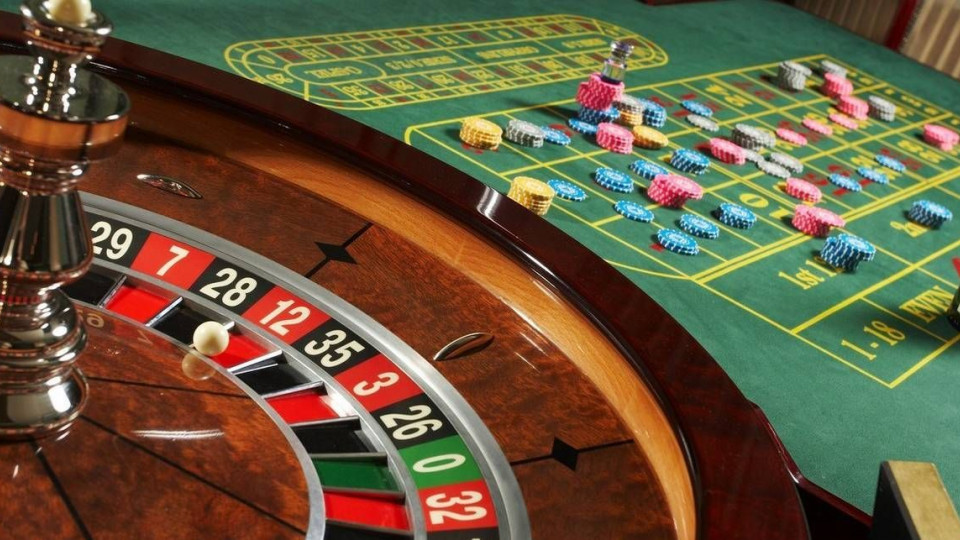
The psychology of casino gaming is deeply intertwined with the environments in which these games take place. Casinos are meticulously designed to create an inviting atmosphere filled with bright lights, alluring sounds, and enticing aromas. These elements work together to stimulate the senses and keep players engaged. In exploring these environments, you may also find that many enthusiasts enjoy visiting online casinos for a unique experience. The layout is also crafted to encourage exploration, with games strategically placed to draw individuals deeper into the casino’s embrace.

Additionally, the use of colors plays a pivotal role in attracting players. Warm colors like red and gold evoke feelings of excitement and wealth, subconsciously influencing gaming behavior. This sensory overload not only enhances the gaming experience but also encourages longer playtimes, ultimately impacting the habits of gamers.
The Role of Risk and Reward
At the heart of gambling behavior is the psychology of risk and reward. Players often find themselves appealing to the thrill of uncertainty, which activates the brain’s reward systems. The unpredictable outcomes of games create a rush that can lead to repeated gameplay. Many individuals are drawn to the potential for significant wins, which create a strong psychological pull that can override rational decision-making. Unknown factors can sometimes add to the allure of these games, making the experience even more compelling.
Furthermore, the concept of «near misses»—when players come tantalizingly close to winning—can exacerbate gaming habits. These experiences encourage players to keep trying, as they perceive themselves to be on the brink of a win. This phenomenon is a crucial factor in understanding why many gamblers are willing to risk further funds in pursuit of a rewarding outcome.
Social Influences on Gaming Behavior
Social dynamics also play a significant role in shaping gaming habits. Group gambling can amplify the excitement, making the experience more enjoyable and compelling. Whether it’s friends gathering around a table or strangers bonding over slot machines, the collective energy can enhance individual experiences and lead to longer gaming sessions.
Additionally, the desire for social acceptance can impact a player’s decisions. The influence of peers can lead individuals to engage in gaming activities they might otherwise avoid. This social validation often encourages behaviors that are more risk-oriented, contributing to overall casino attendance and the likelihood of continued play.
Addiction and Gaming Psychology
Understanding gambling addiction requires an exploration of the psychological processes that drive individuals to become compulsive gamblers. The excitement associated with gambling can turn into a dependency, altering how individuals perceive risk and reward. Often, compulsive gamblers find it challenging to control their urges, leading them to prioritize gaming over essential life responsibilities.
The interplay between emotional states and gaming habits is also critical. Many individuals turn to gambling as a coping mechanism for stress, anxiety, or depression. This reliance on gaming for emotional relief can trap individuals in a cycle of addiction, where the initial thrill of winning becomes overshadowed by financial and emotional distress.
Exploring Our Platform for Gaming Insights
Our website aims to provide valuable insights into the psychology of casino gaming habits. By focusing on understanding the underlying motivations and behaviors of players, we foster a deeper appreciation for the complexities of gambling. We prioritize user experience, ensuring that information is accessible and informative for anyone interested in the subject.
Additionally, we recognize the importance of responsible gaming and aim to promote awareness of the psychological aspects associated with gambling. Through our platform, users can explore various topics related to gaming habits, making informed decisions that enhance their overall experience.